
Tarpi kuorma -autokansiin




Kun kunnan urheiluosasto Pohjois-Kiinan kaupungissa tarvitsi sisätennistilan, sillä oli kolme vaihtoehtoa: jäykkä teräsrunkoinen rakennus, jännitetty kangasrakenne tai ilmatuettu rakenne. Ilmakupoli voitti, koska se pystyi kattamaan 3 200 neliömetriä ilman pylväitä ja toimitettavaksi alle kuudessa viikossa. Joukkueen suurin huolenaihe oli kankaan valinta. Huoli on perusteltu: kalvo on koko rakennejärjestelmä. Kun olet valinnut oikean PVC-päällysteisen polyesterikankaan, olet vastannut useimpiin kysymyksiin, jotka määräävät, kuinka kauan rakenne kestää ja mitä sen käyttö maksaa.
Ilmatuettu rakenne luottaa paineistettuun ilmatyynyyn, joka pitää kangaskuoren jännityksessä. Ei ole metallikehystä. Katto ja seinät ovat yksi tiivis kalvo, joka säilyttää muotonsa, koska sisäinen ilmanpaine työntyy ulospäin ilmaa vasten. Useimmat ilmatuetut rakenteet toimivat 250-500 pascalilla ympäristön paineen yläpuolella, mikä on noin 0,2-0,6 prosenttia normaalista ilmanpaineesta. Tämä pieni ero riittää tukemaan lumen, tuulen ja kattoon ripustettujen laitteiden aiheuttamia kuormia.
Paineenhallinta on tärkein päivittäinen tehtävä. Jos paine laskee, kalvo alkaa lepata. Muutaman tunnin lepatus voi aiheuttaa hitsauslinjoihin mikrohalkeamia, jotka kasvavat hitaasti vuotoiksi. Hyvät kuljettajat asentavat varapuhaltimen ja painehälyttimen suojaamaan rakennetta.
Myös ilmatuen rakenteen muoto vaikuttaa kankaan kuormitukseen. Kaareva tai kupumainen profiili jakaa jännityksen tasaisesti, kun taas litteät paneelit luovat jännityskeskittymiä saumoihin. Kaarevat pinnat auttavat lumen liukumista pois, mikä vähentää kalvon kuollutta kuormaa. Alueilla, joilla on runsaasti lumisadetta, insinöörit lisäävät usein sisäistä painetta katon jäykistämiseksi, mutta tämä myös lisää kankaalle jännitystä. Siksi kudosspesifikaatio on sovitettava suunniteltuun käyttöpaineeseen, ei vain rakenteelliseen jänneväliin.
Kankaan valinta alkaa pinnoitusjärjestelmästä. PVC-pinnoitettu polyesterikangas on vakio, koska siinä yhdistyvät lujuus, joustavuus ja kohtuuhintaisuus. Polyesteripohjakerros kantaa vetokuorman, kun taas PVC-pinnoite kestää sään, UV:n ja kulumisen. Ilmatuetuissa rakenteissa, joiden käyttöikä on pidempi, PVDF-pintamaali on yleinen päivitys. PVDF auttaa kalvoa vastustamaan pintalikaa, hidastaa pehmittimen kulkeutumista ja helpottaa puhdistamista.
Kaksi tuoteluokkaa hallitsee ilmakupujen teknisiä ominaisuuksia. 1100 g/m² PVDF-vetokalvo on monipuolinen valinta keskijänteisiin rakenteisiin, urheiluhalleihin ja väliaikaisiin varastoihin. 2 000 - 4 000 neliömetrin projekti, jonka jänneväli on 25 - 35 metriä, päätyy usein tähän määritykseen kuormituslaskelman jälkeen. Kalvon vetolujuus ja repäisylujuus ovat riittävät kohtalaiselle tuuli- ja lumialueelle ja paino pitää kustannusten kohtuullisena.
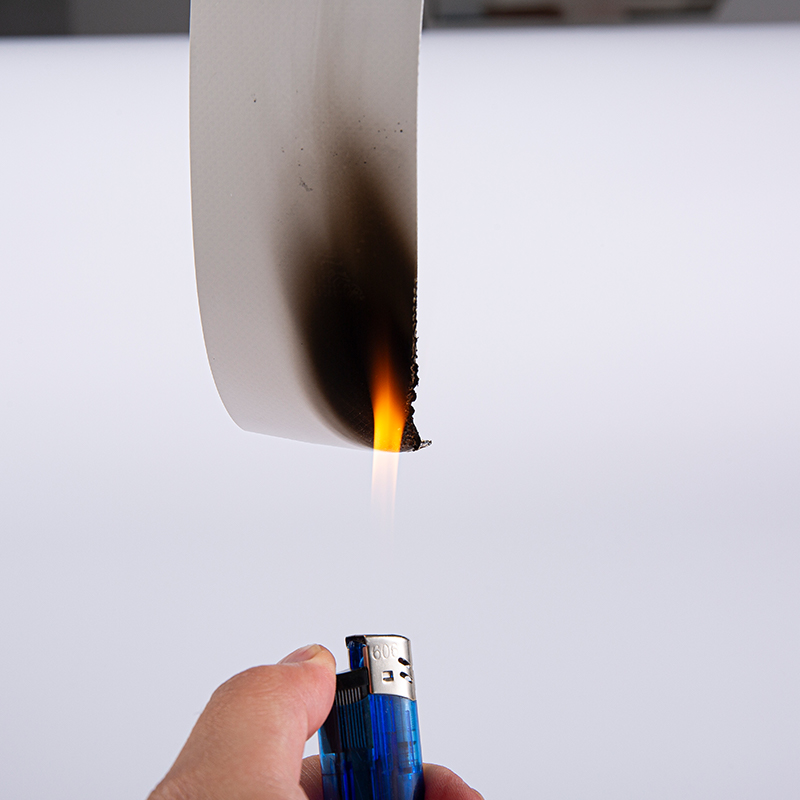 1100g PVDF-vetokalvokangas keskijänteisille ilmakuvuille Tämä 1100 g:n PVDF-kalvo tarjoaa tasapainon lujuuden ja kustannusten välillä, ja se sopii keskipituisiin rakenteisiin, kuten urheiluhalleihin ja varastoihin. Sen vetolujuus 5500-6000N ja itsepuhdistuvat ominaisuudet säilyttävät ulkonäön ja kestävyyden kohtalaisessa ilmastossa. Näytä tuote →
 Suurempiin rakenteisiin tai ankarampiin ympäristöihin 1250 g/m² PVDF-arkkitehtuurikalvo on painavampi vaihtoehto. Se tarjoaa suuremman murtolujuuden ja paremman mittavakauden jatkuvassa jännityksessä. Suuret ilmakupoliiset urheilutilat, logistiset keskukset ja teollisuuden työtasot pohjoisissa ilmastoissa valitsevat yleensä tämän materiaalin. Lisäpaino parantaa myös rakenteen jäykkyyttä, jolloin ilmanpainetta ei tarvitse nostaa yhtä korkealle samalla lumikuormalla.
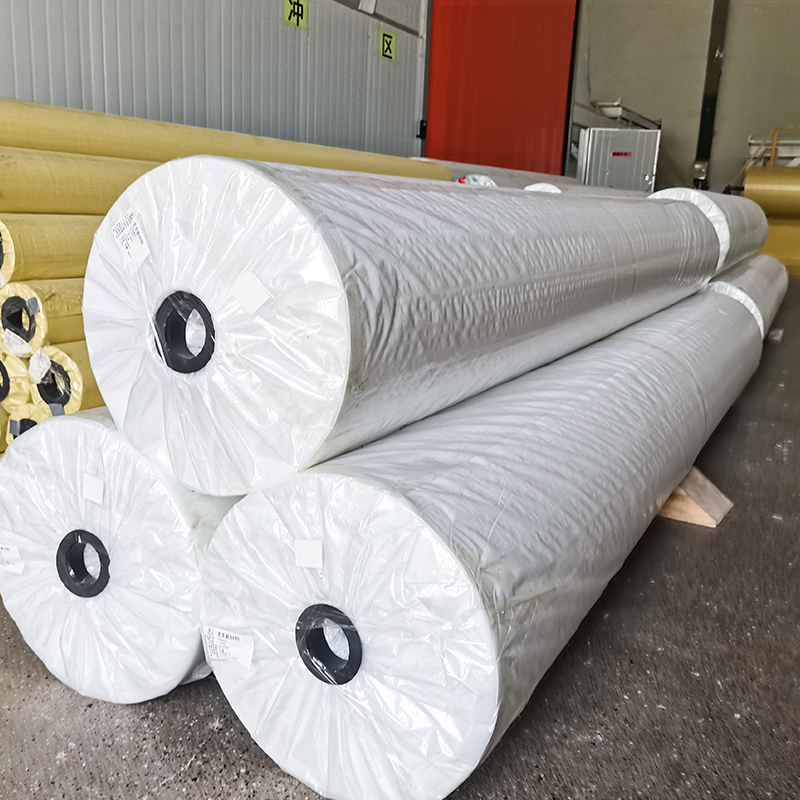 1250 g PVDF-arkkitehtuurikalvo suuriin ja ankariin ympäristöihin Raskaampi 1250 g PVDF-kalvo tarjoaa paremman murtolujuuden ja mittavakauden, mikä on ihanteellinen suurille ilmakuvuille ankarissa olosuhteissa. Sen titaanidioksidipinnoite kestää kellastumista, ja korkea vetolujuus yli 7000 N takaa luotettavuuden jännityksen alaisena. Näytä tuote →
 Alla olevassa taulukossa verrataan kolmea yleisintä ilmatuetuissa rakenteissa käytettyä kalvospesifikaatiota.
| Kangas | Tyypillinen sovellus | Keskeisiä huomioita |
|---|---|---|
| 950g PVDF plus akryyli | Pienemmät aitaukset, tapahtumateltat, kausirakenteet | Kevyempi paino, alhaisemmat etukäteiskustannukset, sopii kohtalaiselle tuulelle |
| 1100g PVDF-vetokalvo | Keskijänteiset ilmakupolit, urheiluhallit | Tasapainoinen lujuus ja hinta, luotettava suorituskyky useimmissa ilmastoissa |
| 1250g PVDF-arkkitehtuurikalvo | Suuret rakenteet, lumi- tai tuulialueet | Suurin kestävyys, erinomainen repeytymiskestävyys, pitkä käyttöikä |
Kankaan painon lisäksi ostajien tulisi tarkastella myös hitsausspesifikaatioita. Ilmatuetut rakenteet kootaan yhdistämällä paneelit suurtaajuus- tai kuumailmahitsauksella. Hitsauksen lujuuden tulisi ihannetapauksessa olla vähintään 80 prosenttia pohjakankaan murtolujuudesta. Kun hitsausparametreja ei valvota tarkasti, hitsauslinjasta tulee rakenteen heikoin kohta. Kangas, jolla on erinomainen vetolujuus ja huono hitsaus, pettää vielä aikaisin saumoissa.
Kun tarkastelet kalvon tietolehteä, aloita murtolujuudesta sekä loimen että kudesuunnassa. Vetolujuus loimen suunnassa on yleensä suurempi, koska kangas on tiiviimpi kudoksen suhteen. Repäisylujuus on yhtä tärkeä ilmatuetulle rakenteelle, koska puhkaisu voi edetä paineen alaisena pitkäksi repeytymäksi. 500 Newtonin tai suurempi repäisylujuus on yleinen tässä sovelluksessa kalvokankaille.
Sovellusvalikoima on laajentunut kannettavien telttojen ulkopuolelle. Ilmatuetuissa rakenteissa on nyt pysyviä urheilutiloja, sisäuima-altaita, tenniskenttiä ja tekonurmikenttiä. Näissä asetuksissa kalvon on säilytettävä valonläpäisy päiväkäyttöä varten, kestettävä UV-säteilyä ja sallittava ilmanvaihto- tai lämmityslaitteiden asentaminen.
Teollisuuden toimijat käyttävät ilmakupuja tilapäisten varastojen, rakennuskoteloiden ja työsuojien luomiseen. Tehdas, joka tarvitsee katettua tilaa uudelle tuotantolinjalle, saattaa asentaa ilmakupolin pysyvän hallin rakenteilla. Kaivos- ja öljykenttätyömailla käytetään ilmatuettuja rakenteita huoltopohjoina ja laitesuojana, koska niitä voidaan siirtää toiminnan vaihtuessa.
Myös tapahtuma- ja näyttelyjärjestäjät hyötyvät suuresta selkeästä jännevälistä. 40 metriä leveässä ilmakupolissa ei ole sisäpylväitä, mikä luo joustavat pohjapiirrokset näyttelyihin, toreihin ja sisäurheilukilpailuihin. Rakenne voidaan täyttää päivissä, käyttää kauden ja sitten tyhjentää tai siirtää.
Jos haluat nähdä todellisia projektiesimerkkejä, voit tarkastella näitä suosittuja ilmafilmirakennuksia jotka esittelevät erilaisia typologioita ja käyttötapoja.
Ilmatuetun rakenteen hankintaan kuuluu muutakin kuin kankaiden hintojen vertailu. Sinun on määritettävä sijainnin tuuli- ja lumikuormat, käyttöpaineet ja odotettu käyttöikä. Näistä syötteistä voidaan laskea kankaan erittely.
Kirjoita muistiin kankaan vähimmäispaino, vaadittu vetolujuus ja pinnoitetyyppi. Käytä kansallisen rakennusmääräyksen paikkakohtaista tuulenpainetta. Sisällytä merirahti ja tuontitullit, jos hankit ulkomailta. Mikä tärkeintä, pyydä kankaan valmistajalta hitsaustakuu ja korjaussarja. Kerää vähintään nämä kolme numeroa ennen kuin soitat toimittajalle:
Ilmatuettu rakenne toimii sähköllä. Puhaltimet toimivat jatkuvasti, ja talvella lämmitys ja kosteudenpoisto voivat muodostaa suuren osan käyttökustannuksista. Varavirtalähde on pakollinen, koska äkillinen tyhjennys myrskyssä voi vahingoittaa rakennetta. Kylmässä ilmastossa sisäinen lämmitysjärjestelmä pitää kalvon myös joustavana ja estää jään muodostumisen sisäpinnalle.
Kalvon rutiinitarkastus auttaa tunnistamaan ensimmäiset merkit pinnan halkeilusta tai pehmittimen siirtymisestä. Pienten reikien nopea huomioiminen estää niitä laajenemasta suuriksi repeytyksiksi. Kalvon puhdistaminen miedolla pesuaineella ja pehmeällä harjalla säilyttää pinnoitteen ja pidentää sen käyttöikää. Varaa aikaa näiden tarkistamiseen puhallettavien telttojen huoltovaiheet auttaa myös suurempien ilmatuettujen rakenteiden kanssa.
Ilmatuettu rakenne on vain niin hyvä kuin sen kalvo. 1100g ja 1250 g PVDF-kankaita kattaa useimmat keskisuuret ja suuret hankkeet, mutta lopullisen valinnan on vastattava sivuston olosuhteita ja budjettia. Kun määrität tekniset tiedot ajoissa ja työskentelet valmistajan kanssa, joka pystyy toimittamaan testitiedot ja hitsauksen yhtenäisyyden, rakenne tarjoaa luotettavan suojan vuosikymmeniä. Pyydä näytetilkkuja, testisertifikaatteja ja hitsausnäytteitä ennen tilaamista. Tämä pieni askel estää kalleimman virheen, jonka ilmakupoliprojekti voi tehdä: valita kevyen kankaan, joka epäonnistuu muutaman talven jälkeen.




Win-win-yhteistyö uuden ja vanhan kanssa Asiakkaat, luo tulevaisuus.

Nro 9, Xingang Avenue, Ningguo City, Anhuin maakunta, Kiina.


+86 15397280550
Copyright © Anhui Longsheng New Material Technology Co., Ltd. Arkkitehtuurikalvojen materiaalien valmistajat PVC: n vedenpitävä kangastoimittaja
